

You are using an out of date browser. It may not display this or other websites correctly.
You should upgrade or use an alternative browser.
You should upgrade or use an alternative browser.
THE UNITED STATES OPEN CHAMPIONSHIP
- Thread starter RaceBannon
- Start date

EsophagealFeces
Well-known poster
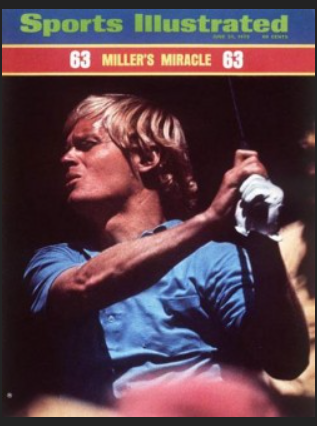
Miller shooting 63 at Oakmont has to be the most impressive round in major championship history. One of my friends from Chehalis qualified for the tournament. He played at Brookline in 2021, but missed the cut. It’ll be fun to see how he does.


As far as the Throbber is concerned, there is and will always be only one Sheffler.

A tradition like no other. @pgatuor dropping fake pairings before they are announced. And everyone in the comments doesn’t get it.
Last edited:

Peacock has USGA films including 73 at Oakmont focused on Miller
It was the first year of expanded coverage by ABC. They started coverage on the 6th hole which was unheard of. They were crowing about 2 extra hours
One problem. Miller had a bad Saturday and was out early on Sunday. He birdied the first 4 holes but no one has ever seen it.
He was on 10 when the coverage started. Just knocking down pin after pin. If he could have putted he'd have 10 majors
Arnie was in the final group.
It was the first year of expanded coverage by ABC. They started coverage on the 6th hole which was unheard of. They were crowing about 2 extra hours
One problem. Miller had a bad Saturday and was out early on Sunday. He birdied the first 4 holes but no one has ever seen it.
He was on 10 when the coverage started. Just knocking down pin after pin. If he could have putted he'd have 10 majors
Arnie was in the final group.
Phil Mickelson May Be Playing in His Last U.S. Open. Here Is His Trail of Heartbreak
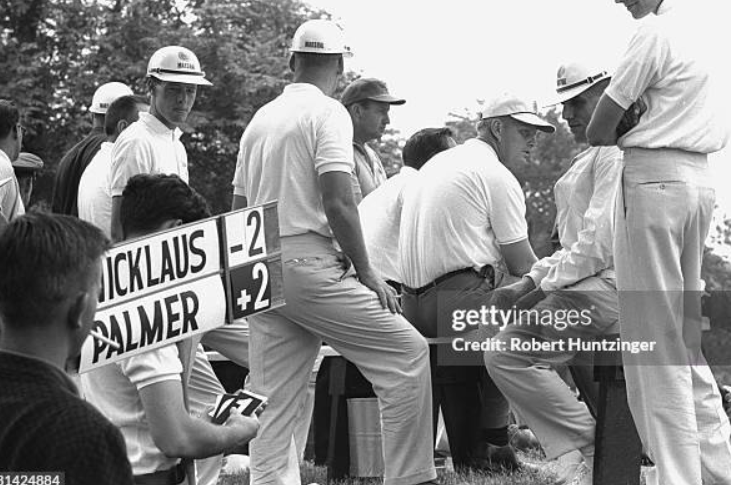
Take a look at Arnie sometime. He got one in 1960 at Cherry Hills holding off Hogan and Nicklaus. He could have had a half dozen more. Most famous is a 6 shot lead on the back 9 at Olympic in 1966. Lost a playoff to Billy Casper
Take a look at Arnie sometime. He got one in 1960 at Cherry Hills holding off Hogan and Nicklaus. He could have had a half dozen more. Most famous is a 6 shot lead on the back 9 at Olympic in 1966. Lost a playoff to Billy Casper
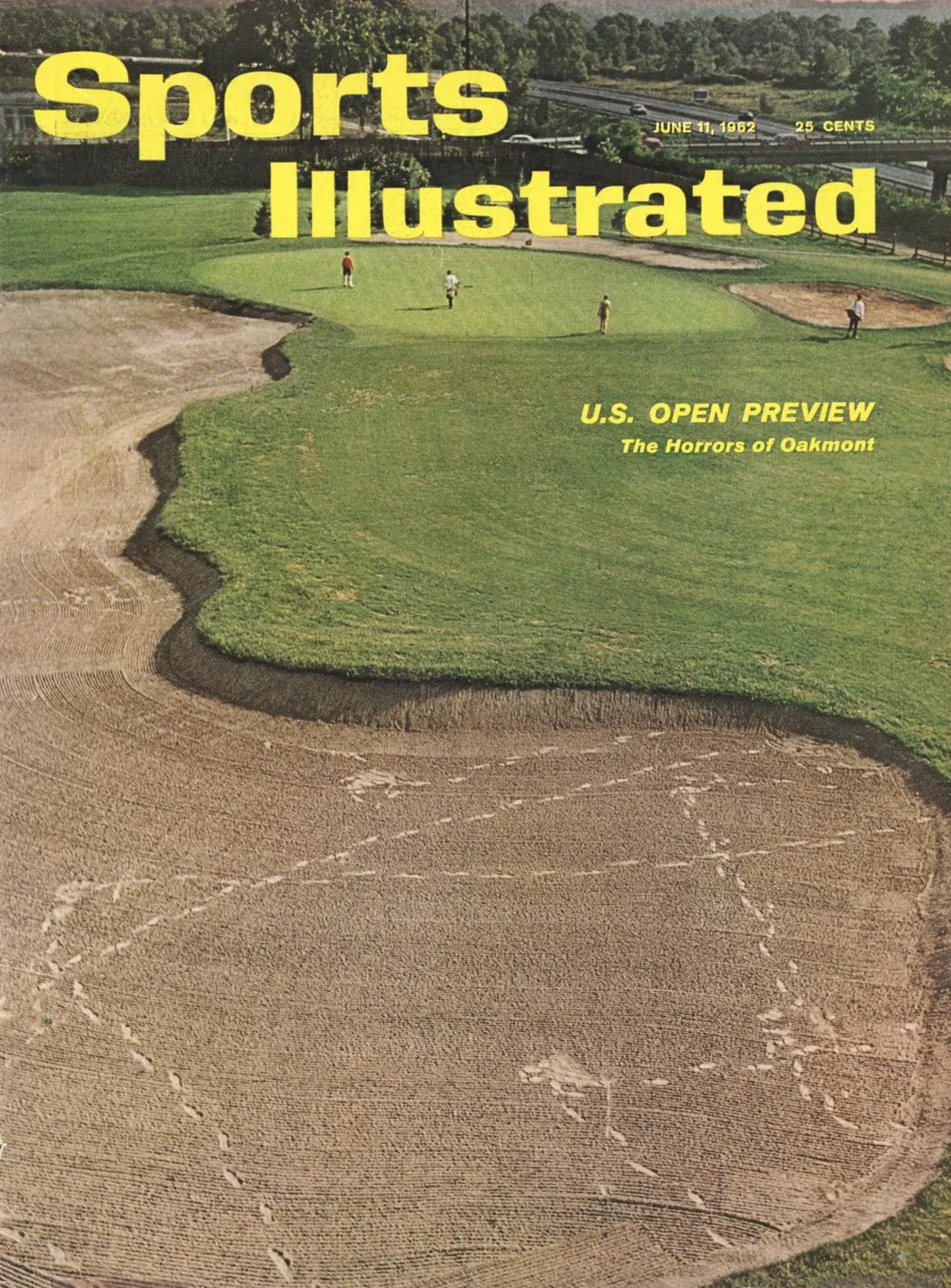
Return to the Brute: Oakmont’s Unique Brand of Carnage Ready for 2025 U.S. Open
And yet it is where Miller shot a final-round 63, setting a U.S. Open scoring record in the process to win.
“Those greens are the toughest greens in the country,’’ said Miller, who was 26 at the time of his victory. “You just have to be a great ball striker. You have to put the ball underneath the hole. In that 63, I only had two balls above the hole in 18 greens hit. That was the secret to that round.”
Miller was not the only player to go low during that final day. Lanny Wadkins had a chance to match Miller with a birdie at the closing hole but made a bogey for 65. But there were just two other rounds in the 60s. (Par was 71 in 1973; it will be a par-70 this year.) For the week, there were just 24 scores in the 60s.
To look closely at the final round is to marvel at what Miller accomplished.
He birdied the first four holes, his only bogey coming at the 8th—where he three-putted. He then rebounded with a near-eagle and an easy birdie at the 9th, with more birdies at the 11th, 12th, 13th and 15th. His round ended with three pars, missing a 10-footer for birdie at the 17th, and lipping out at the 18th.
Miller missed just two fairways and hit all 18 greens in regulation.
The score led many to believe that the USGA was not going to see a course manhandled like that again. The following year’s conditions led to it being dubbed “The Massacre at Winged Foot” where Hale Irwin won at 7 over par.
Every Golfer With Multiple U.S. Open Victories
Brooks and Bryson. Lot of old timers on the list.
Brooks and Bryson. Lot of old timers on the list.
Will bomb and gouge win the day? The biggest change since 07 and 16 is the why lay up and miss the fairway when you can hit it 330 and miss the fairway?
Under darkness of night, Oakmont began removing thousands of trees decades ago
Under darkness of night, Oakmont began removing thousands of trees decades ago

MelloDawg
New Fish
I’m still surprised sportsbooks, in general, allow bets on The Field considering how much of a sure thing it is. It literally takes no real knowledge of golf to make this wager.@MelloDawg Any advice on betting?
MelloDawg
New Fish
If I have to explain this to you, then we as a message bored, and potentially as a nation, are lost.Where can you bet the true field? Pretty sure the field just means guys that don’t have specific odds.
Bob is here illegally
Punch Shot: Who wins the 2025 U.S. Open? Winning score under or over par?
#1 doesn't win the US Open as much as you might think. I know Tiger did. Maybe Brooks at one point. The overwhelming favorite does not always overwhelm. I agree with @Tequilla on that. But Scottie is in form
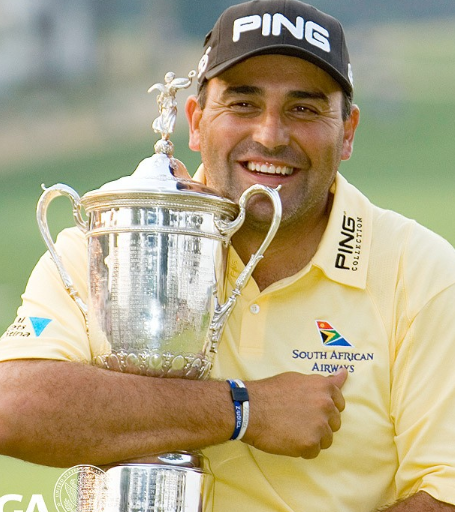
It should be a "name" player. Hogan, Nicklaus, Miller, Els, DJ. Even Angel when he won was among the top players
Probably will not get the carnage we desire. Course is wet and more rain coming so the bombers can use the lack of roll out in the fairways. And nae win nae golf
These guys have been able to destroy all sorts of monster courses. They are good and the equipment is better
I'll go 8 under and Bryson
#1 doesn't win the US Open as much as you might think. I know Tiger did. Maybe Brooks at one point. The overwhelming favorite does not always overwhelm. I agree with @Tequilla on that. But Scottie is in form
It should be a "name" player. Hogan, Nicklaus, Miller, Els, DJ. Even Angel when he won was among the top players
Probably will not get the carnage we desire. Course is wet and more rain coming so the bombers can use the lack of roll out in the fairways. And nae win nae golf
These guys have been able to destroy all sorts of monster courses. They are good and the equipment is better
I'll go 8 under and Bryson

I'm on #TeamBryson