Historical industry photo porn open thread

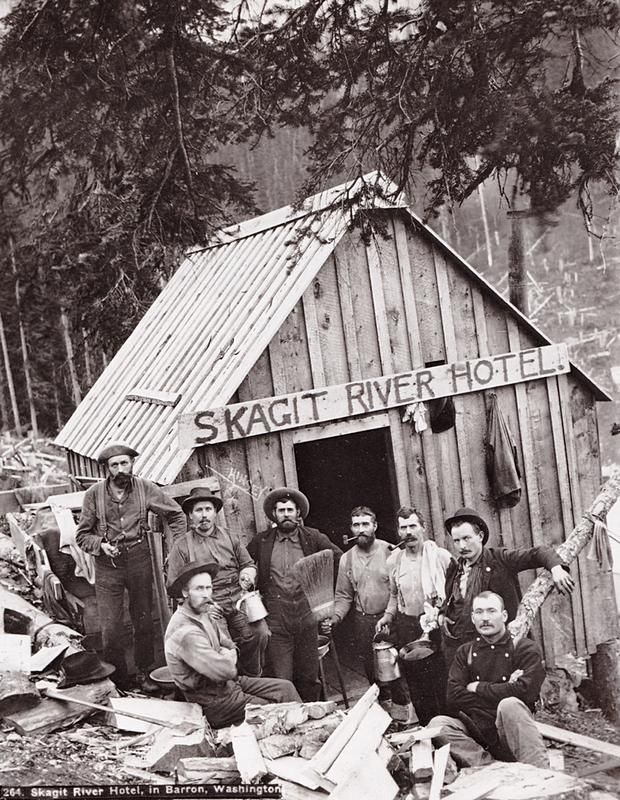
kinsey_09.jpg

 
Last edited by a moderator:
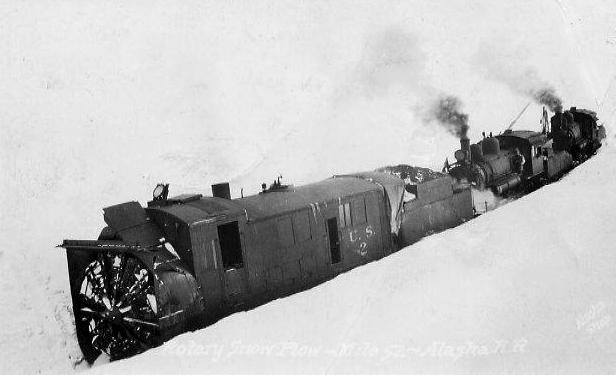
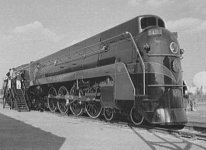
Old timmey rotary snowblower
rotary-1918-30.jpg

One of those aforementioned library books had some amazing pics of those machines working on the Monte Cristo line.
 
Best thread idea ever, Pod. My compliments...

Obligatory...

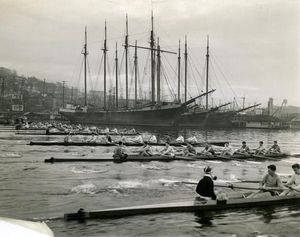
Back when men were men on Lake Union

2014974635-300x0.jpg


1983.10.17694_fromD.jpg

 
Daly Mine in Park City...site of one of the worst mining disasters in US History. About 30 guys killed in a 1902 explosion. Got married (1.0 version) right next to the old mine site. My own marital disaster blew up a few years later. Current state reminds me of UW football.

20150825__5wayp1.jpg


daly_west_mine.jpg


The Big Four Inn​

BIG-FOUR-INN-Juleen_185_full-EVERETT-PUBLIC-LIBRARY_620.jpg


The Big Four Inn opened on July 2, 1921. The lavish resort was the brainchild of Wyatt and Bethel Rucker, who settled in Everett in 1890 and ran a sawmill in Lake Stevens. In 1915, the Rucker brothers began operating the branch railroad that ran from Hartford, near Lake Stevens, to the mining town of Monte Cristo, deep in the Cascade range. They did so primarily to transport timber from east of Granite Falls to their Lake Stevens mill, but the railroad, which they named the Hartford Eastern, also provided passenger and cargo service to the settlements, lumber camps, and mines along the route from Granite Falls to Monte Cristo.
The Hartford Eastern proved popular with tourists because it provided the only access to some spectacular mountain scenery (the railroad's grade would later provide much of the route for the Mountain Loop Highway from Granite Falls to Barlow Pass). Taking note of the increased tourist ridership and the success of their hotel in the old mining town of Silverton, the Ruckers decided to build a new upscale resort in the wide valley beneath the precipitous 4,000-foot-high north face of Big Four Mountain, about four miles east of Silverton. The area had previously been known as Camp Glacier, for the icy snowfields at the base of the mountain, or Trout Marsh homestead, but the Ruckers named their inn after the mountain, which is called Big Four because at certain seasons a snowfield high on its eastern face appears in the shape of the number 4. (The "4" snowfield is not visible from the site of Big Four Inn).
The Rucker brothers spent $150,000 constructing Big Four Inn and its surrounding amenities in the spring of 1921. They dammed Perry Creek to provide water and produce electricity to heat and light the resort. All the rooms and cabins had hot and cold running water. In addition to the grand main lodge and cabins, the resort featured a nine-hole golf course, tennis courts, and an artificial lake. The Ruckers used "gas cars" (buses designed to run on rail tracks) to bring guests to the inn over their railroad line. They kept the line open through the winter as far as Big Four, making the inn a year-round resort and a destination for winter sports enthusiasts.

Seriously, if I had a timmachine, that would be a destination.
 
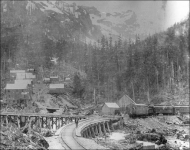
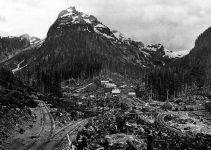
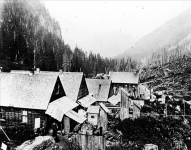
The Cascade Tunnel on the way down to @GrundleStiltzkin 's house in Index. I know @swaye likes some good choo choo porn.

U2F2jg.gif


0000685391-1.jpg


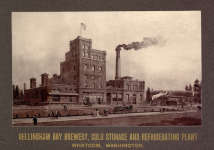
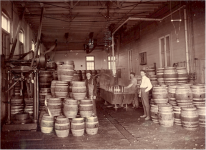
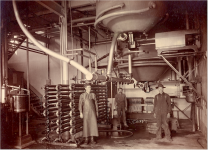
Old Bellingham Bay Brewery

pnq2nx1ob04g.png
o41mpyvb2svo.png
otavif1ztdpb.png
u9tifo4t65kx.png
The 1906 San Francisco earthquake provided unexpected opportunities for the 3-B, as well as other northwest breweries.
From the Puget Sound American of August 23, 1906:

"$1,000,000 ORDER FOR BEER - Local Plant Will Be Enlarged to Meet California Demands.

Orders for almost $1,000,000 worth of beer has led the Bellingham Bay Brewery to consider plans for $20,000 worth of improvements in its local plant. The cellar capacity, now about 150 barrels daily, will be doubled and the ice tanks also will be doubled in capacity. A story was recently added to the main building and the other addition will be built on the west side of the structure.

The unusual orders were received in California when Manager Shupp went to San Francisco. The local plant, in common with the Seattle and Portland breweries, has grasped the opportunity presented for trade since the earthquake and these concerns now enjoy the bulk of the business. The British brewery trust, whose plants were destroyed, has determined to re-enter the field to compete with its northern rivals, and it has announced that it will spend $2,000,000 in constructing breweries.”

The brewery's plans for the $20,000 expansion were completed, doubling its capacity to 100,000 barrels a year.

With the loss of brewery production in San Francisco, Leopold Schmidt decided to establish his own brewery in that city. So, in late 1906 the Acme Brewing Company became the newest of Schmidt's breweries.
 
Back
Top