By: George Friedman
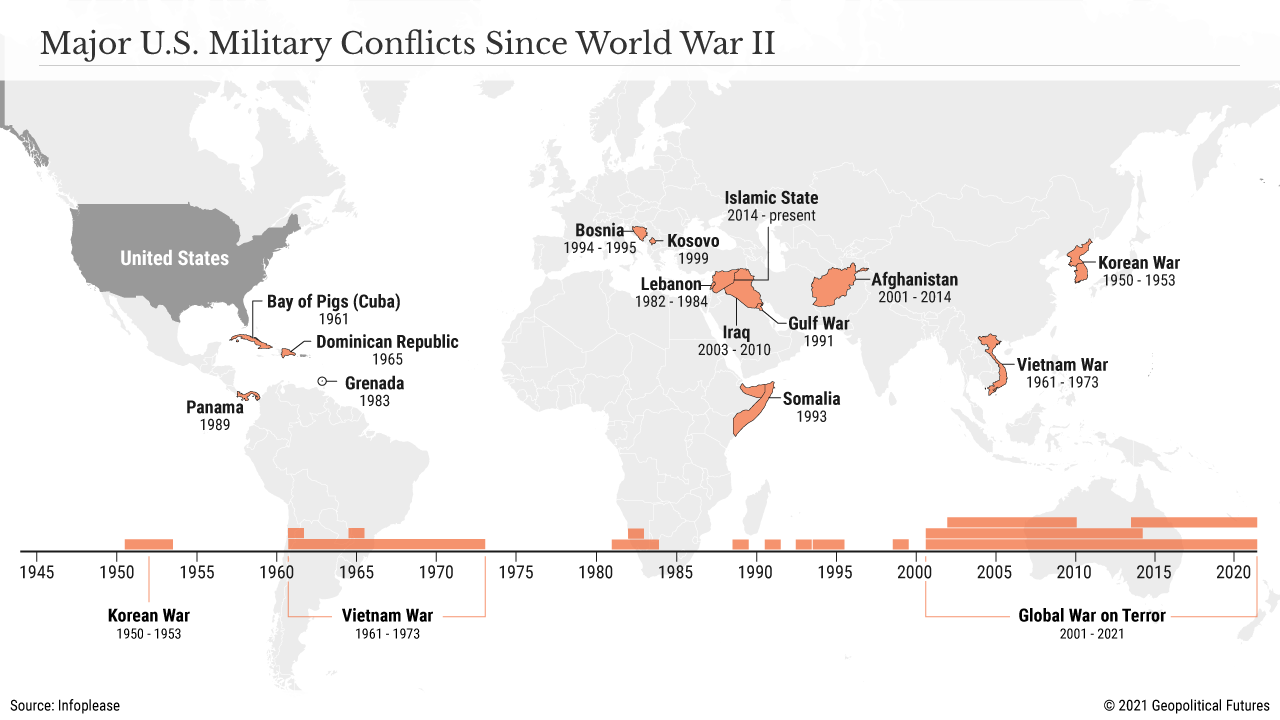
The United States has been at war for almost the entire 21st century, and it’s only 2021. In contrast, the United States was at war for just 17 percent of the entire 20th century, during which it won the world wars, defeat in which may have led to existential transformations of the country and thus of the international order. But just as it lost Korea and Vietnam – wars that were not an existential threat – so too has it lost in Iraq and Afghanistan.
This may suggest that the U.S. engages in too many conflicts that are subcritical and is careless in how it fights them, while it fights critical wars with great precision. But to understand why, we must begin by understanding the geopolitical reality of the United States. Geopolitics defines the imperatives and constraints of a nation. Strategy shapes that reality into action. And the defeat of the United States in Afghanistan after 20 years compels a reevaluation of American national strategy, not only of how we fight wars but also of how we determine which wars should be fought.
The thing about major wars, though, is that they are rare, or should be. The international system typically doesn’t develop quickly enough for major powers to challenge each other for a long time. And yet, only five years passed from World War II to Korea. Vietnam came 12 years after that, then Desert Storm and Kosovo in the 1990s, and of course Iraq and Afghanistan in the early 2000s. The frequency of wars raises the critical question of whether they were imposed on the U.S. or selected by it, and whether history is moving so quickly now that the tempo of war has likewise accelerated. If the latter isn’t true, then there is a strong possibility the U.S. is following a defective strategy that profoundly weakens its power by curbing its ability to control world events.
The key measure of strategy is its relative simplicity. Geopolitics is complex. Tactics are detailed. Strategy should, in theory, be straightforward insofar as it represents the main thrust of a nation’s imperatives. For the United States, that strategy might be controlling ocean chokepoints while avoiding detailed plans for other areas of the world. A successful strategy must represent the essential core of a nation’s intent. Excessive complexity represents uncertainty or, worse, a compendium of strategic imperatives that outstrip a nation’s ability to execute or understand. A nation with an excess of strategic goals has not made the difficult choices on what matters and what doesn’t. Complexity represents an unwillingness to make those decisions. Deception is a tactical matter. Self-deception is a strategic failure. Only so much can be done, and understanding priorities without ambiguity and resisting the creeping expansion of strategy is the indispensable craft of the strategist.
The Geopolitical Reality of the United States
1. The United States is virtually immune to land attacks. It is flanked by Canada and Mexico, neither of which are capable of mounting a threat. This means U.S. armed forces are primarily designed to project power rather than defend the homeland.
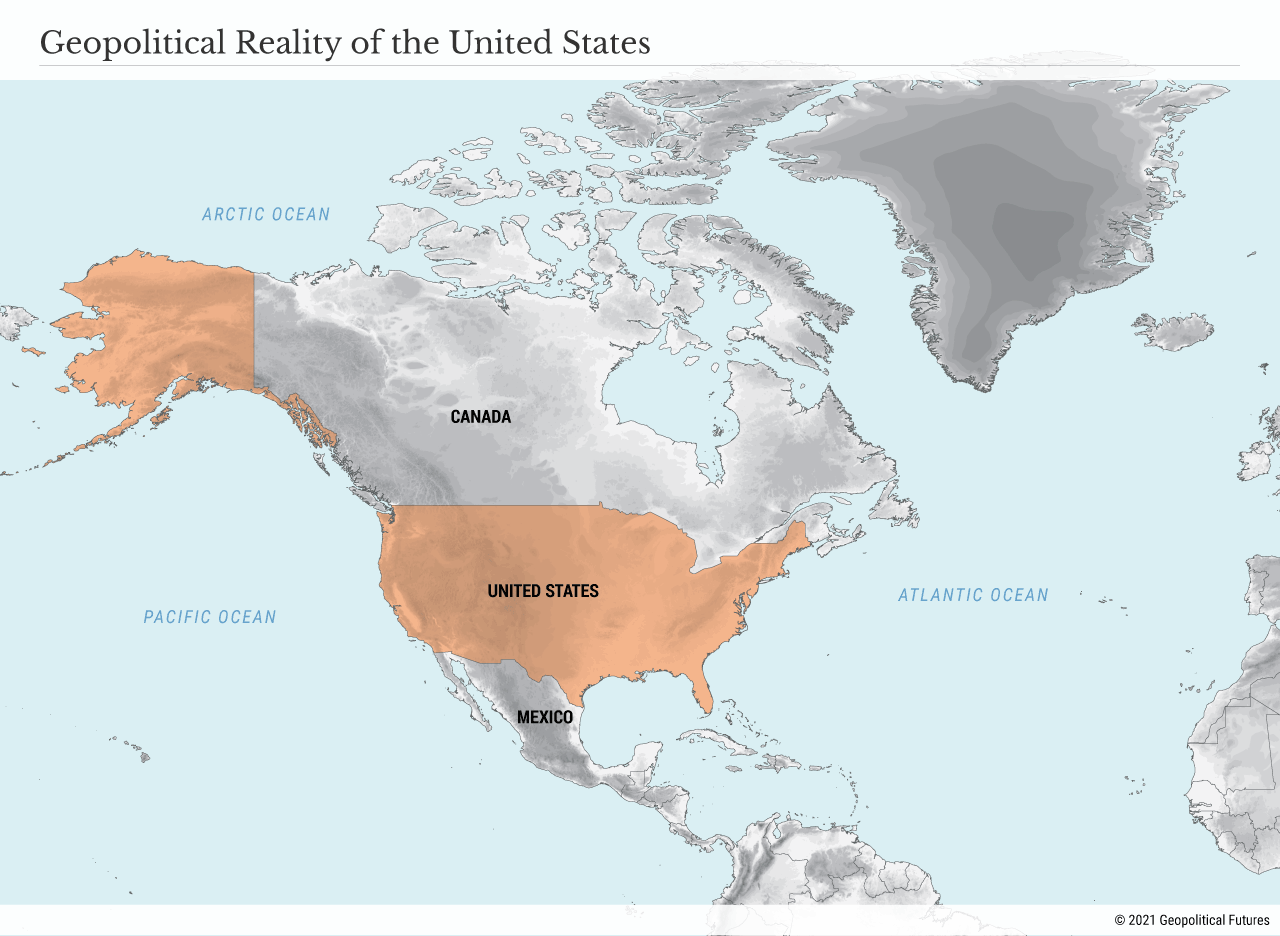
2. The United States controls the North Atlantic and Pacific oceans. An invasion from the Eastern Hemisphere would have to defeat U.S. naval and air forces in one of these oceans in such a way as to prevent interdiction of reinforcement and resupply.
3. Any existential threat to the United States will always originate from Eurasia. The United States must work to limit the development of forces, especially naval forces, that could threaten U.S. control of the oceans. In other words, the key is to divert Eurasian military energy from the sea.
4. Nuclear weapons are a stabilizing force. It is unlikely that the Cold War would have ended as it did without two nuclear powers managing the conflict. Nuclear weapons essentially prevented World War III. Maintaining a nuclear force stabilizes the system, and preventing new nuclear powers from emerging is desirable but not entirely essential.
5. The United States’ position in North America has made it the largest economy in the world, the largest importer of goods and the largest source of international investment. The United States is also a generator of international culture. It also defines IT culture worldwide. This can be a substitute for military power, particularly before near-war situations.
6. The primary interest of the United States is to maintain a stable international system that does not challenge U.S. boundaries. It has little interest in risk-taking. The greatest risk comes from attempts to retain control of the seas since only great powers can threaten U.S. maritime hegemony.
7. The great weakness of the United States since World War II is being drawn into conflicts that are not in the U.S. geopolitical interest and that diffuse U.S. power for an extended period of time. This is done primarily but not exclusively by strategic terrorism carried out by nations or non-national actors.
8. The United States is a moral project and, like all moral projects, thinks its model superior to others. Moral intervention is rarely in the geopolitical interests of the United States, and it almost never ends well. For the United States, the temptation to engage in these wars should be avoided to concentrate on direct interests and because these interventions frequently do more harm than good. If intervention is deemed necessary, it should be ruthlessly temporary.
Implementing the Strategy
1. North America: Maintaining U.S. dominance and harmony in North America is central to all U.S. strategy. Mexico and Canada cannot threaten the United States militarily, and both are bound to the United States economically. However, any power hostile to the United States would welcome an opportunity to draw either country into a relationship with it. It is imperative that the United States follow a strategy that always makes a relationship with the U.S. far more attractive than a third-party alliance.
2. Atlantic and Pacific: Command of the oceans is primarily a technical problem. Whereas it was once achieved by battleships and then aircraft carriers, it is now an issue of long-range missiles and other weapons. The key to this is to know the location of the enemy in an environment in which aircraft cannot easily survive over a fleet. Since the key to command of the sea is now reconnaissance for targeting information, space-based systems followed by unmanned aerial vehicles are the critical variable in controlling the sea. The U.S. Navy and the U.S. Space Force (as it matures) will be the most important services controlling the seas henceforth.
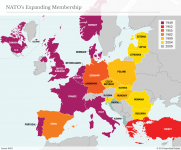
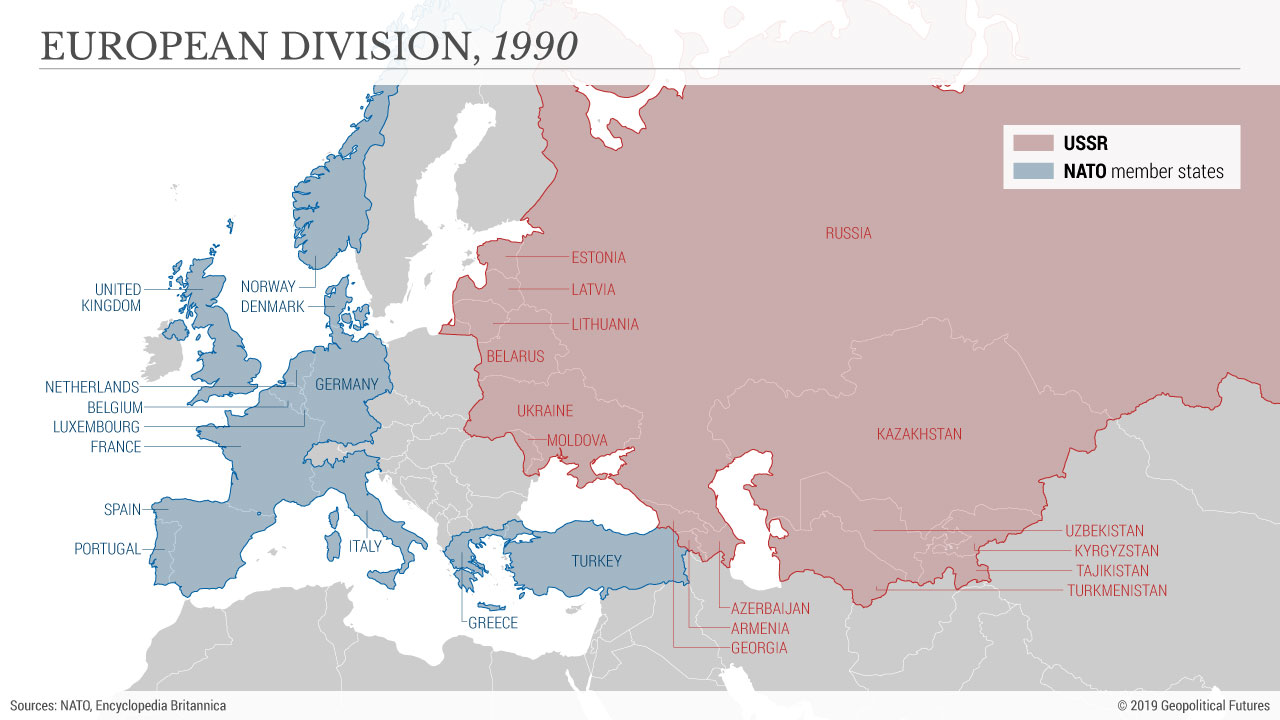
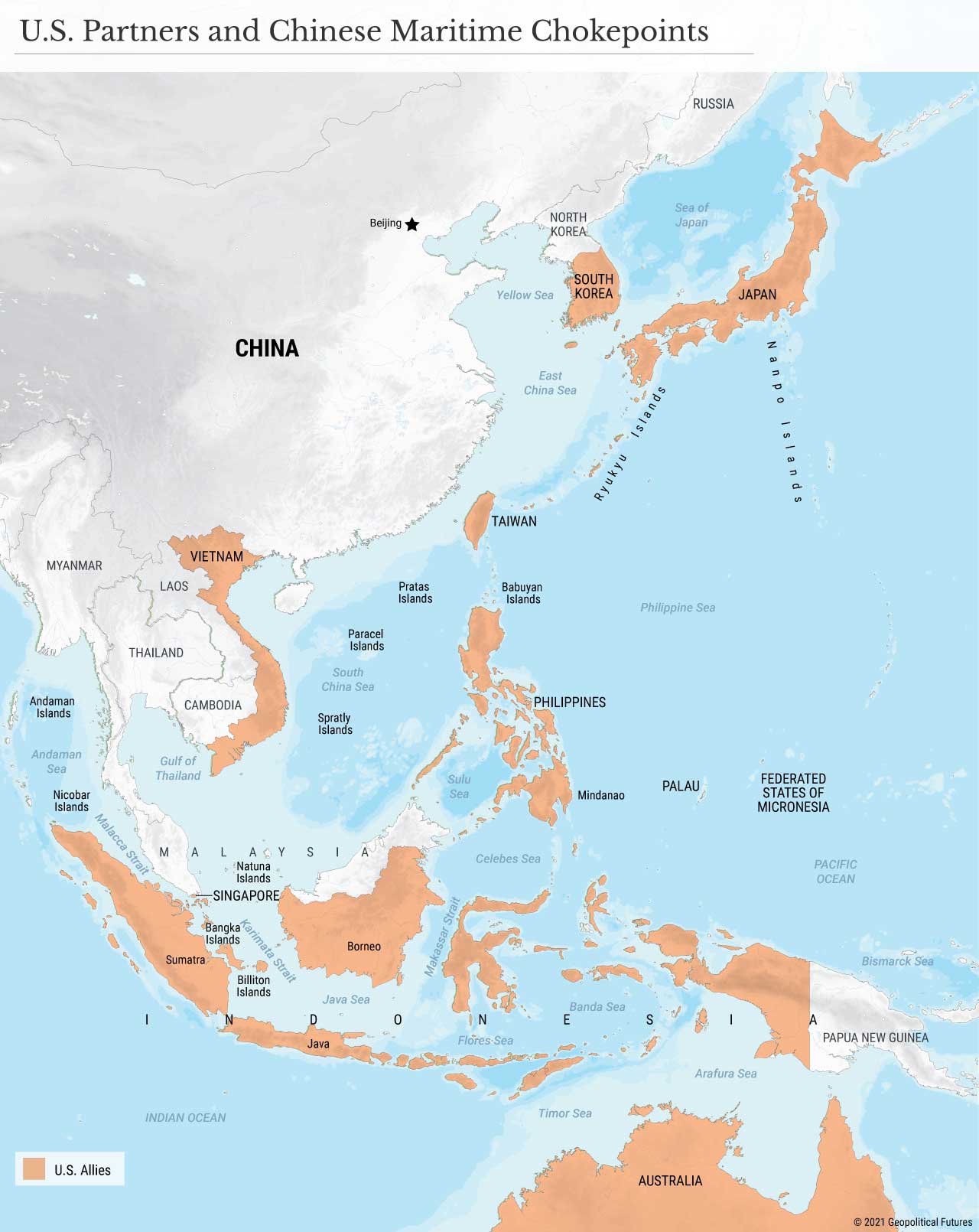
3. Eurasia: The United States faces Eurasia on two fronts: Across the Atlantic it faces Europe, and across the Pacific it faces East Asia. After World War II, Europe was Washington’s primary focus. The threat of the era was the Soviet Union. The idea was that a European peninsula conquered by the Soviet Union would provide the technology and personnel to construct a fleet that could challenge the U.S. The solution was to create NATO. NATO and the concept of mutually assured destruction blocked Soviet westward expansion and, in the event war broke out, would direct the Soviet navy from trying to control sea lanes to trying to interdict U.S. convoys reinforcing NATO. The threat now is China’s seeking to secure access to the sea. The U.S. has created an informal alliance stretching from Japan to the Indian Ocean to contain China. It has also used economic power to pressure China. The key in both strategies was an early response and to use military power to increase the risk of war on the Soviet or Chinese part and then wait to see if they make a move.
The United States has been at war for almost the entire 21st century, and it’s only 2021. In contrast, the United States was at war for just 17 percent of the entire 20th century, during which it won the world wars, defeat in which may have led to existential transformations of the country and thus of the international order. But just as it lost Korea and Vietnam – wars that were not an existential threat – so too has it lost in Iraq and Afghanistan.
This may suggest that the U.S. engages in too many conflicts that are subcritical and is careless in how it fights them, while it fights critical wars with great precision. But to understand why, we must begin by understanding the geopolitical reality of the United States. Geopolitics defines the imperatives and constraints of a nation. Strategy shapes that reality into action. And the defeat of the United States in Afghanistan after 20 years compels a reevaluation of American national strategy, not only of how we fight wars but also of how we determine which wars should be fought.
The thing about major wars, though, is that they are rare, or should be. The international system typically doesn’t develop quickly enough for major powers to challenge each other for a long time. And yet, only five years passed from World War II to Korea. Vietnam came 12 years after that, then Desert Storm and Kosovo in the 1990s, and of course Iraq and Afghanistan in the early 2000s. The frequency of wars raises the critical question of whether they were imposed on the U.S. or selected by it, and whether history is moving so quickly now that the tempo of war has likewise accelerated. If the latter isn’t true, then there is a strong possibility the U.S. is following a defective strategy that profoundly weakens its power by curbing its ability to control world events.
The key measure of strategy is its relative simplicity. Geopolitics is complex. Tactics are detailed. Strategy should, in theory, be straightforward insofar as it represents the main thrust of a nation’s imperatives. For the United States, that strategy might be controlling ocean chokepoints while avoiding detailed plans for other areas of the world. A successful strategy must represent the essential core of a nation’s intent. Excessive complexity represents uncertainty or, worse, a compendium of strategic imperatives that outstrip a nation’s ability to execute or understand. A nation with an excess of strategic goals has not made the difficult choices on what matters and what doesn’t. Complexity represents an unwillingness to make those decisions. Deception is a tactical matter. Self-deception is a strategic failure. Only so much can be done, and understanding priorities without ambiguity and resisting the creeping expansion of strategy is the indispensable craft of the strategist.
The Geopolitical Reality of the United States
1. The United States is virtually immune to land attacks. It is flanked by Canada and Mexico, neither of which are capable of mounting a threat. This means U.S. armed forces are primarily designed to project power rather than defend the homeland.
2. The United States controls the North Atlantic and Pacific oceans. An invasion from the Eastern Hemisphere would have to defeat U.S. naval and air forces in one of these oceans in such a way as to prevent interdiction of reinforcement and resupply.
3. Any existential threat to the United States will always originate from Eurasia. The United States must work to limit the development of forces, especially naval forces, that could threaten U.S. control of the oceans. In other words, the key is to divert Eurasian military energy from the sea.
4. Nuclear weapons are a stabilizing force. It is unlikely that the Cold War would have ended as it did without two nuclear powers managing the conflict. Nuclear weapons essentially prevented World War III. Maintaining a nuclear force stabilizes the system, and preventing new nuclear powers from emerging is desirable but not entirely essential.
5. The United States’ position in North America has made it the largest economy in the world, the largest importer of goods and the largest source of international investment. The United States is also a generator of international culture. It also defines IT culture worldwide. This can be a substitute for military power, particularly before near-war situations.
6. The primary interest of the United States is to maintain a stable international system that does not challenge U.S. boundaries. It has little interest in risk-taking. The greatest risk comes from attempts to retain control of the seas since only great powers can threaten U.S. maritime hegemony.
7. The great weakness of the United States since World War II is being drawn into conflicts that are not in the U.S. geopolitical interest and that diffuse U.S. power for an extended period of time. This is done primarily but not exclusively by strategic terrorism carried out by nations or non-national actors.
8. The United States is a moral project and, like all moral projects, thinks its model superior to others. Moral intervention is rarely in the geopolitical interests of the United States, and it almost never ends well. For the United States, the temptation to engage in these wars should be avoided to concentrate on direct interests and because these interventions frequently do more harm than good. If intervention is deemed necessary, it should be ruthlessly temporary.
Implementing the Strategy
1. North America: Maintaining U.S. dominance and harmony in North America is central to all U.S. strategy. Mexico and Canada cannot threaten the United States militarily, and both are bound to the United States economically. However, any power hostile to the United States would welcome an opportunity to draw either country into a relationship with it. It is imperative that the United States follow a strategy that always makes a relationship with the U.S. far more attractive than a third-party alliance.
2. Atlantic and Pacific: Command of the oceans is primarily a technical problem. Whereas it was once achieved by battleships and then aircraft carriers, it is now an issue of long-range missiles and other weapons. The key to this is to know the location of the enemy in an environment in which aircraft cannot easily survive over a fleet. Since the key to command of the sea is now reconnaissance for targeting information, space-based systems followed by unmanned aerial vehicles are the critical variable in controlling the sea. The U.S. Navy and the U.S. Space Force (as it matures) will be the most important services controlling the seas henceforth.
3. Eurasia: The United States faces Eurasia on two fronts: Across the Atlantic it faces Europe, and across the Pacific it faces East Asia. After World War II, Europe was Washington’s primary focus. The threat of the era was the Soviet Union. The idea was that a European peninsula conquered by the Soviet Union would provide the technology and personnel to construct a fleet that could challenge the U.S. The solution was to create NATO. NATO and the concept of mutually assured destruction blocked Soviet westward expansion and, in the event war broke out, would direct the Soviet navy from trying to control sea lanes to trying to interdict U.S. convoys reinforcing NATO. The threat now is China’s seeking to secure access to the sea. The U.S. has created an informal alliance stretching from Japan to the Indian Ocean to contain China. It has also used economic power to pressure China. The key in both strategies was an early response and to use military power to increase the risk of war on the Soviet or Chinese part and then wait to see if they make a move.