

Doog_de_Jour
New Fish
https://www.seattletimes.com/business/a-landlord-a-tenant-and-the-battle-for-1042-cutler-st-in-upstate-new-york/
And so when Hill finally received some small unemployment payments and a four-figure stimulus check from the government, he used the money to fix the engine in his broken-down minivan, buy a little extra food, purchase some basic furniture, pay down his credit card, and surprise his daughter with a decent laptop for her virtual classes[/b], because why would he spend what little money he had on rent that he didn’t actually have to pay?[/i]
I’m no behavioral economist, but this right here is the heart of the problem. I can certainly understand people using the stimulus/unemployment money on food, fixing up an old car, and even a laptop for a kid’s online classes (assuming they’re K-12 and had no other access to education)...but furniture and repayment on credit card debt should’ve come after rent.
As the man said, there’s no incentive to pay rent. Credit cards, while they have offered deferred payments, temporary lower interest rates, etc., can still have people sent to collections and have their credit score impacted (which could hurt your chances with renting again), right?
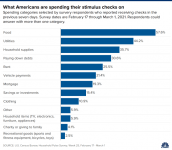
I don’t know what the answer to all of this is, but it seems like non-housing debt repayment is, like Cal, ranked too high.
Last edited:


